
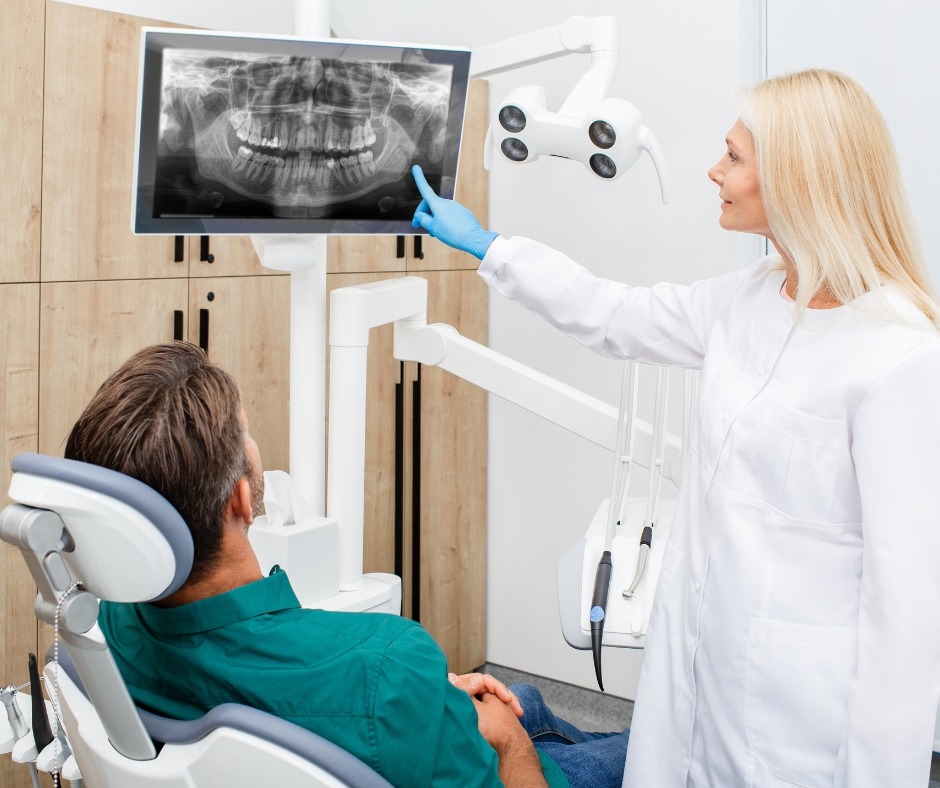
Tooth extractions, the removal of a tooth from its socket in the bone, are a common dental procedure. While dentists always aim to preserve natural teeth, there are situations where extraction becomes necessary. In this blog, we’ll explore when and why tooth extractions may be needed.
Common Reasons for Tooth Extractions:
- Tooth Decay: Advanced tooth decay can compromise the structural integrity of a tooth. Dentists will attempt to save a decayed tooth with treatments like fillings or crowns, but if the damage is too extensive, extraction may be the only viable option.
- Gum Disease: Periodontal disease, which affects the tissues supporting teeth, can lead to tooth mobility. In severe cases, extraction might be the best solution to prevent the spread of infection.
- Impacted Wisdom Teeth: Wisdom teeth, also known as third molars, often don’t have enough space to erupt properly, leading to impaction. Impacted wisdom teeth can cause pain, infection, or damage to adjacent teeth, necessitating removal.
- Orthodontic Treatment: In some orthodontic cases, overcrowding of teeth can make it difficult to achieve proper alignment. Removing one or more teeth may create the necessary space for orthodontic treatment.
- Trauma: Teeth that have suffered significant trauma, such as fractures or dislocation, may need to be extracted if they can’t be effectively restored.
- Failed Root Canal: Occasionally, a tooth that has undergone root canal treatment may become re-infected or fail to heal properly. In such cases, extraction might be considered.
The Extraction Process:
Tooth extractions are performed under local anesthesia to ensure the patient’s comfort. Dentists use specialized instruments to gently loosen the tooth within its socket. Once the tooth is removed, the area is carefully cleaned, and the extraction site is closed, often with stitches.
Post-Extraction Care:
After an extraction, it’s crucial to follow your dentist’s post-operative instructions. This may include taking pain medications, applying ice to reduce swelling, and eating soft foods for a few days. Proper care helps in a smoother recovery process.
Conclusion:
While tooth extractions are a last resort, they are sometimes necessary to preserve overall oral health. Dentists consider all options before recommending an extraction and will discuss alternatives with patients whenever possible. If you’re experiencing dental issues that may require an extraction, consult with your dentist to determine the best course of action for your specific situation.