
Quick Answer
A dental crown caps and protects a single damaged tooth, while a bridge replaces one or more missing teeth by anchoring to healthy neighbours. For dental crowns and bridges in Strathroy, ON, the right choice depends on whether your tooth is still present but weakened (crown) or already gone (bridge). At Burns Family Dental, both options restore chewing function and a confident, natural-looking smile.
A chipped tooth or a visible gap can quietly chip away at your self-esteem, too. You may hide your smile in photos or cover your mouth when you laugh. Fortunately, dental crowns and bridges in Strathroy, ON offer a precise, conservative path back to a smile you are proud to show. At Burns Family Dental, located at 352 Burns St., both treatments are planned around aesthetics, comfort, and the long-term health of your natural teeth.
Crowns and Bridges: What Sets Them Apart?
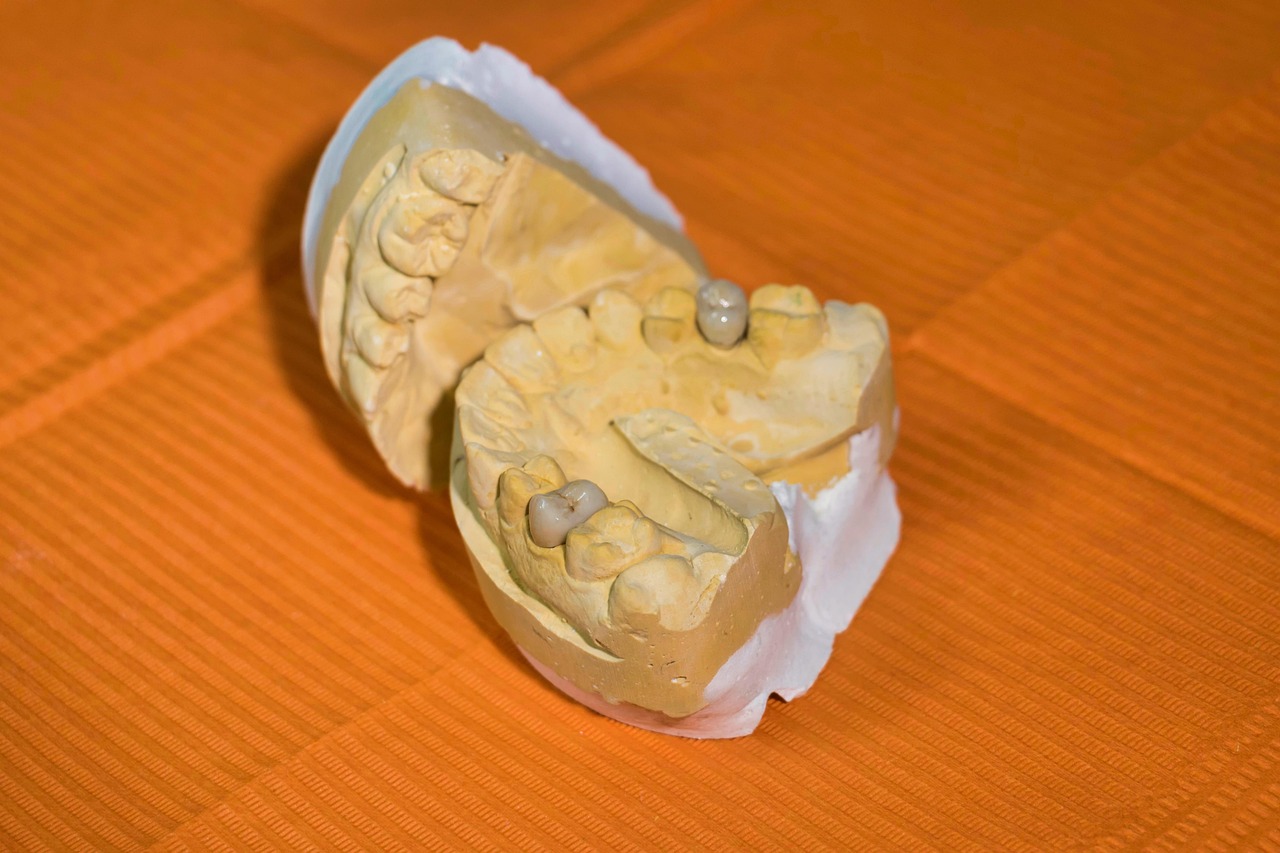
A crown restores a tooth that is still in your mouth but structurally compromised. A bridge, however, fills the space where a tooth has already been lost. Specifically, a crown is a custom cap that covers the entire visible portion of a tooth. Consequently, it rebuilds strength, shape, and appearance in one restoration.
According to the Canadian Dental Association, a crown can protect a weak tooth, restore a broken one, or cover a tooth after root canal therapy. Additionally, crowns anchor bridges and top dental implants. Because the restoration is colour-matched, it blends naturally with the teeth around it.
When a Crown Is the Right Fix
Crowns suit teeth that are cracked, heavily filled, or worn down. Furthermore, they are often recommended after root canal treatment, since treated teeth become more brittle over time. If a large filling keeps failing, a crown offers a far more durable solution. Essentially, the goal is to save your natural tooth rather than remove it.
How a Dental Bridge Restores a Missing Tooth
A bridge literally bridges the gap left by one or more missing teeth. Typically, it uses crowns on the neighbouring teeth to hold a false tooth, called a pontic, firmly in place. As the Canadian Dental Association explains, a bridge can also attach to dental implants for added stability.
Missing teeth do more than affect your appearance. Specifically, the remaining teeth can drift into the empty space, which changes your bite over time. A bridge therefore keeps your teeth aligned while restoring comfortable chewing. Moreover, filling the gap supports the muscles of your face, which helps preserve a youthful profile.
Choosing Between Dental Crowns and Bridges
The decision usually comes down to one question: is the tooth still there? If the natural tooth remains but is damaged, a crown is typically the answer. However, if the tooth is already missing, a bridge or an implant restoration becomes the focus. During your consultation, the dentists at Burns Family Dental assess your bite, gum health, and goals before recommending a plan. You can explore the full range of options on our crowns and bridges service page.
Precision, Technology, and a Conservative Approach
Modern restorations prioritize preserving as much healthy tooth as possible. Digital imaging and careful planning allow for a snug, comfortable fit. In fact, a review in the Dental Clinics of North America notes that digital technologies improve the design and accuracy of restorative dentistry. Consequently, patients receive restorations that feel natural and look seamless with their surrounding teeth.
This precision matters for aesthetics as much as function. Because the shade and contour are matched to your smile, a well-crafted crown or bridge is virtually invisible. Additionally, a conservative approach protects the long-term health of the tooth and the gum tissue beneath it. For patients who feel anxious, gentle options help keep every visit calm and comfortable.
Caring for Your New Restoration
Crowns and bridges thrive with the same habits that protect natural teeth. Therefore, brush twice daily, floss carefully around the restoration, and keep regular checkups. Furthermore, cleaning under a bridge with a floss threader prevents gum disease and decay at the anchor teeth. With consistent oral hygiene, your restoration can last many years.
Routine visits also let your dental team catch small problems early. For broader restorative needs, Burns Family Dental also offers dentures, inlays and onlays, and dental implants under one roof. If you are ready to restore both function and confidence, you can contact our Strathroy team to book a consultation.
Frequently Asked Questions
What is the main difference between a crown and a bridge?
A crown covers and protects a single tooth that is still in your mouth. A bridge, by contrast, replaces one or more missing teeth by anchoring to adjacent teeth or implants.
Will my crown or bridge look natural?
Yes. Both are colour-matched to your surrounding teeth and shaped to fit your bite. As a result, a well-made restoration blends in and is difficult for others to notice.
How long do dental crowns and bridges last?
With good oral hygiene and regular checkups, they often last many years. However, longevity depends on your bite, habits, and the health of the supporting teeth and gums.
Does getting a crown or bridge hurt?
The procedure is performed with local anesthetic, so you should feel comfortable throughout. Afterward, mild sensitivity may occur briefly and usually settles within a few days.
Sources & References
- Canadian Dental Association: Crowns
- Canadian Dental Association: Bridges
- Digital Technologies for Restorative Dentistry (Dent Clin North Am, 2022)